Phasmophobia review






A Slow-Burn Horror That Respects the Player
After hundreds of hours spent across co-op survival titles, early-access experiments, and overproduced horror spectacles, Phasmophobia still feels unusually confident in what it is trying to achieve. It does not rely on cinematic excess or scripted shocks. Instead, it builds tension through uncertainty, communication, and a quiet respect for the player’s intelligence. As an experienced gamer who has watched many horror games fade after a few scares, this one continues to earn its reputation through smart design choices and an atmosphere that refuses to grow stale.
Investigative Fear Instead of Loud Spectacle
At its core, Phasmophobia is a paranormal investigation game. You and up to three other players enter supposedly haunted locations with limited tools, incomplete information, and a timer that is never clearly visible. The objective is not combat or survival through force, but identification. Each session challenges you to gather evidence, observe behavior, and deduce what kind of entity you are dealing with before conditions deteriorate.
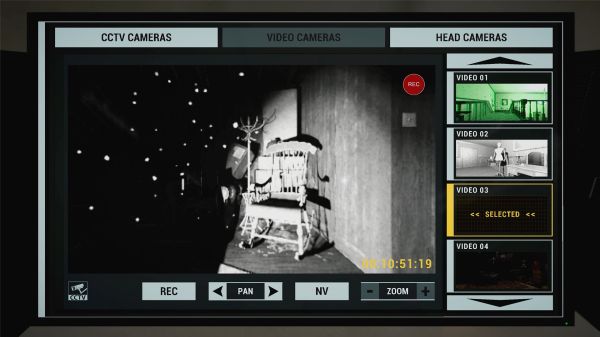
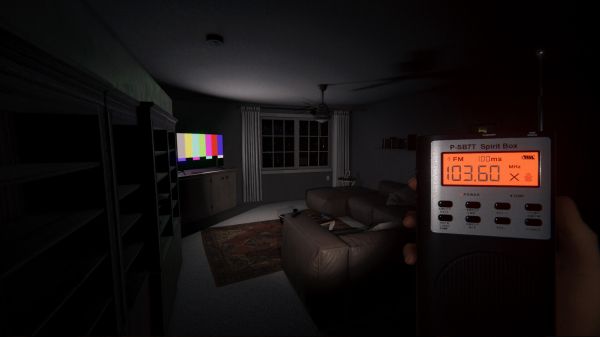
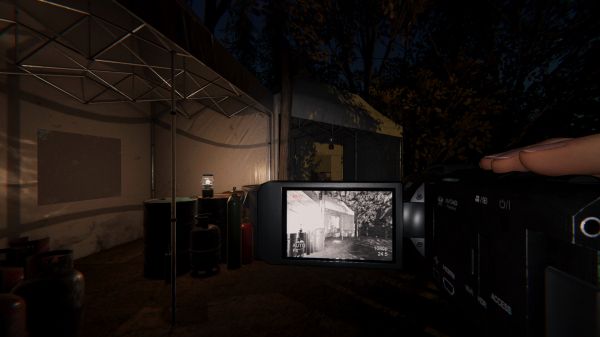
What sets the experience apart is how little the game explains during play. Tutorials exist, but the real learning happens through repeated attempts. The spirit box crackles with unclear responses, EMF meters spike at the worst moments, and temperature readings quietly drop without warning. This slow drip of information is what makes the experience memorable, especially when playing with friends who react differently under pressure.
Audio Design as a Core Mechanic
Few games use sound as effectively as Phasmophobia. Voice recognition is not a gimmick here; it is a defining mechanic. The game listens when you speak, and the environment reacts accordingly. Asking questions aloud, whispering nervously, or panicking into the microphone can influence events in subtle ways.
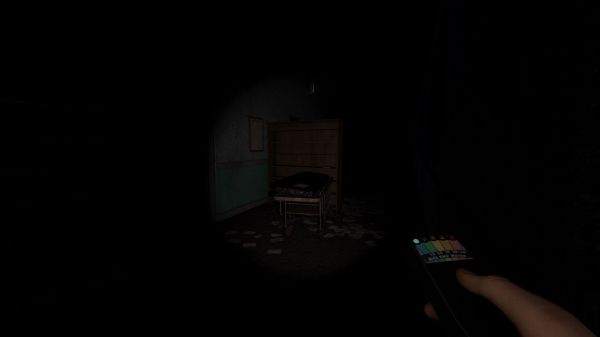
Footsteps above you, a door closing somewhere behind the group, or a radio suddenly cutting out can be more unsettling than any scripted scare. Even solo sessions benefit from this design, as silence becomes its own threat. Playing with a headset is not optional if you want the full experience.
Maps That Encourage Repetition Without Fatigue
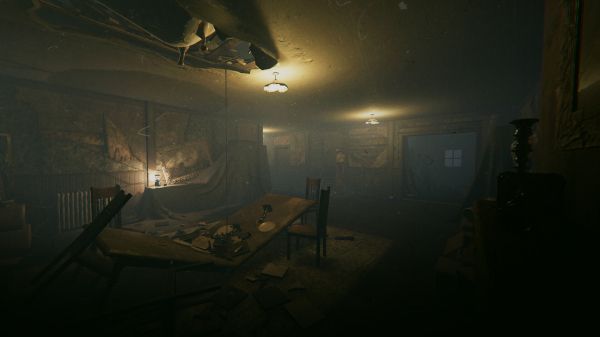
The locations range from small houses to sprawling facilities, and each is designed to feel believable rather than exaggerated. Familiar layouts become uncomfortable over time because activity changes from round to round. A hallway that felt safe earlier may become the center of attention later, forcing you to rethink movement and positioning.
This is where replay value shines. Randomized encounters, varied objectives, and evolving difficulty ensure that repetition never feels mechanical. You are encouraged to refine your approach, communicate better, and manage resources with more confidence.
Progression That Rewards Patience
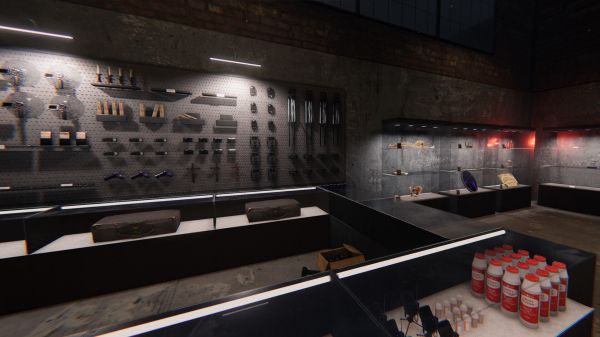
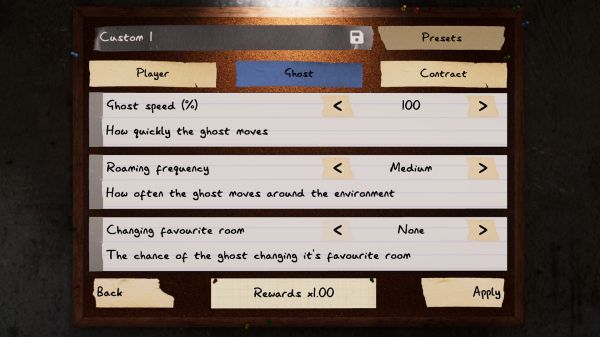
Progression in Phasmophobia is subtle but meaningful. Completing investigations earns currency and experience, which unlocks better tools and higher difficulty options. Advanced equipment does not trivialize the challenge; it simply offers more reliable data if used correctly.
The risk-and-reward balance is excellent. Staying longer improves evidence collection but increases danger. Leaving early secures partial success but limits growth. This constant decision-making loop keeps sessions engaging even after dozens of hours.
Multiplayer Dynamics and Community Influence
While the game can be played alone, it truly excels in multiplayer. Coordinating tasks, dividing responsibilities, and reacting to unexpected events creates memorable moments that no scripted story could replicate. Friend groups often develop their own routines and inside jokes, which adds to long-term enjoyment.
The developer’s relationship with the community has also shaped the game. Updates often reflect player feedback, with balance adjustments and new content introduced gradually. Support for mods is limited but growing, and community-created challenges keep the experience fresh without undermining its intended tension.
Technical Stability and Ongoing Support
Phasmophobia has improved significantly since its early days. Performance is stable on most systems, load times are reasonable, and network connectivity is generally reliable. Occasional bugs still appear, but they are rarely session-breaking.
VR support deserves special mention. Playing in virtual reality amplifies immersion, though it also demands stronger hardware and a tolerance for intense sensory input. It is not the best entry point for newcomers, but it is impressive once mastered.
Pros
Pros: Atmosphere driven by sound and uncertainty rather than spectacle; Voice recognition adds genuine immersion to gameplay; High replay value due to randomization and map variety; Co-op design encourages communication and teamwork; Progression system rewards learning and patience; VR support significantly enhances immersion for experienced users;
Cons
Cons: Limited narrative may disappoint story-focused players; Steep learning curve for newcomers without guidance; Occasional bugs can disrupt immersion during longer sessions;
How to download Phasmophobia
Availability & Launch: Phasmophobia is available as a paid title and is not free. The official download is offered through major digital storefronts, primarily on PC. There is no legitimate free version, and unofficial sources should be avoided.
Platforms: The game officially supports Windows PC and VR-compatible setups. Mac and Linux users may need compatibility layers or cloud services to play. Console versions are planned but not fully released yet. Mobile platforms such as Android or iOS do not have native versions, though streaming through cloud platforms may be possible.
Install: To install, purchase the game from an official store, download the client, and follow the standard installation process. VR users should ensure their headset software is properly configured before launching.
System Requirements: On PC, a mid-range CPU, 8 GB of RAM, and a dedicated GPU are recommended. Mac users require emulation or compatibility tools. Android access is limited to streaming services rather than direct install.
Cheats / Mods: Cheats are not supported in official multiplayer and may result in restrictions. Mods exist but are mainly cosmetic or challenge-based, with limited official endorsement.
Unblocked Access: The game cannot be played unblocked in restricted environments like schools or workplaces without external cloud gaming services, which may still be subject to network limitations.
Pros
- Voice recognition adds genuine immersion to gameplay
- High replay value due to randomization and map variety
- Co-op design encourages communication and teamwork
- Progression system rewards learning and patience
- VR support significantly enhances immersion for experienced users.
- Atmosphere driven by sound and uncertainty rather than spectacle
Cons
- Steep learning curve for newcomers without guidance
- Occasional bugs can disrupt immersion during longer sessions.
- Limited narrative may disappoint story-focused players